Collections
Dig deeper with our curated collections of journal articles, blogs, and treasures from our archive
-
Read More about The 2026 Elections and their Aftermath
The elections of 2026 in Scotland, Wales, and across much of England were politically explosive. In Westminster, the disastrous performance of the governing Labour Party precipitated the fall of Keir Starmer and the accession of Andy Burnham. Their Conservative rivals went backwards, underlining the continued existential threats facing Europe's oldest political party. Challenger parties on the left and right, meanwhile, surged and the Welsh government is now, as in Scotland and Northern Ireland, led by a nationalist party. In this special collection, political scientists, historians, and commentators dissect and contextualise these elections and their aftermath, drawing out the key insights for understanding the past, present and future of British politics.
-
Read More about Symposium on John Boswell’s 'How Citizens Encounter the Democratic State'
When commentators worry about the state of our democracy, they usually worry about voting behaviour: whether citizens vote at all, and whether they vote for parties which promote division and conflict rather than searching for common ground. John Boswell’s book, 'How Citizens Encounter the Democratic State: Weapons of the Meek at the Frontlines of Public Services', starts from the insight that citizens mainly encounter the state in places other than the polling booth: when they seek health care or education, report a crime to the police or indeed are suspected of breaking the law. In his study of these encounters, Boswell finds the sources of democratic disaffection in services put under stress by austerity, and shows the limitations and even counter-productiveness of the coping mechanisms that people adopt (the ‘weapons of the meek’). In this symposium, Boswell and his interlocutors reflect on what we can learn about our democracy, and how to improve it, when we focus on quotidian interactions with state agencies.
-
Read More about Brexit at Ten: A Retrospective
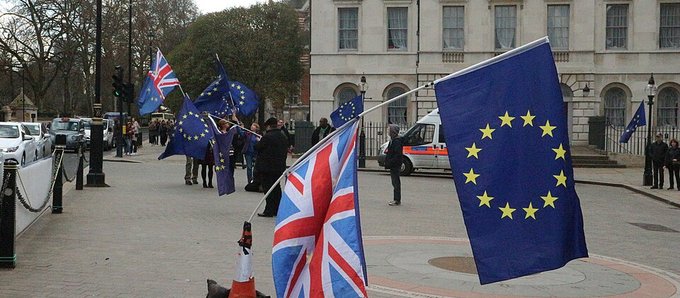
Ten years after the Brexit referendum, The Political Quarterly marks this significant anniversary with a virtual issue bringing together a selection of articles that have analysed the origins, impact and enduring legacy of Brexit.
-
Read More about The Political Economy of Tourism
Tourism is one of the fastest growing internationally traded service sectors. Although it has brought prosperity to struggling regions and improved the financial prospects of countries facing economic difficulties, tourism comes with important challenges. It tends to grow so fast that it generates social problems. Its fast pace of growth also undermines its own future sustainability, as overcrowded destinations eventually lose their appeal. Moreover, tourism sometimes fails to generate broad-based benefits for local communities. This collection explores the relation between tourism, economic development, and long-term socioeconomic and environmental sustainability in a variety of locations.
-
Read More about Public Inquiries in the Spotlight
The planned public inquiry into grooming gangs has run into trouble, with some survivors resigning from the consultation panel. This is challenging because the inquiry is specifically meant to give a voice to survivors who were ignored when they were groomed. Gone are the days when a judge conducted an orderly process, deciding who to listen to and whether their views fell within the permitted scope of the exercise. Now, inquiry chairs are expected to have remarkable capacities to orchestrate a cathartic process of listening, memorialising and healing. In this collection, comprised of both recent and archive articles, Matt Flinders, Geoffrey Howe, Kieran Walshe, Nick Timmins and Natacha Harding give their insights into the politics of public inquiries.
-
Read More about Inequality and the Future of London
Regional inequality is increasingly shaping contemporary politics in the UK. However, London is commonly taken as the yardstick against which the welfare of other areas should be judged where wealth and prosperity are concerned. The reality is that London is riven by inequality, with millions of people living in poverty. This collection brings together contributions from geography, politics and sociology, and from politicians, academics and think tanks. It explores how inequality manifests itself in London through housing and planning reform, the legacy of levelling up and shifts in the electoral loyalties of different ethnic groups, showing the perils for both London, the present government and the rest of the UK of leaving inequality in the capital unchecked.